Author: Sino-Euro Logistics Editorial Team
Reviewed by: Sino-Euro Logistics Editorial Team
Published: 2026-09-01
Last reviewed: 2026-09-01
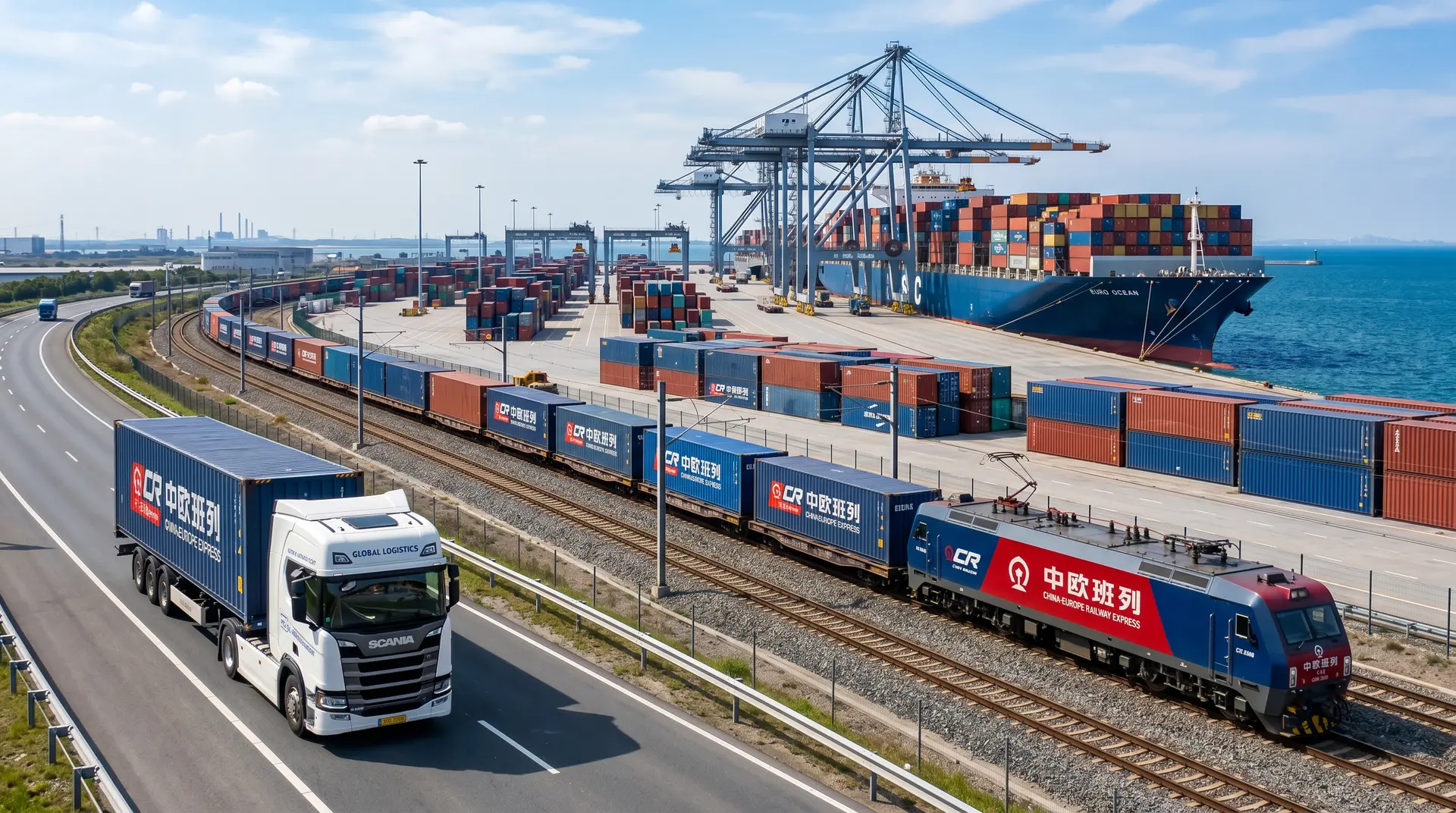
Latest situation: operations have resumed, but backlog risk remains
Parts of China’s eastern coast were affected by a typhoon in late August 2026. In its 28 August customer update, Toll confirmed that port operations in Ningbo had been suspended since the evening of 26 August and operations in Shanghai since the morning of 27 August. Trucking disruption, vessel delays and schedule adjustments were expected.
In a further update on 1 September, Toll stated that port operations in Shanghai and Ningbo had resumed and that no significant disruptions were currently being reported. Resumption does not, however, mean that every shipment immediately returns to its original schedule. Residual delays may still occur while carriers, terminals and transport providers clear the backlog.
Shippers should therefore avoid making decisions based on market rumours or treating a specific number of waiting days as a confirmed fact. Actual impact varies by terminal, service, carrier, equipment availability, cut-off arrangement and shipment status. Shipment-specific updates from the booking agent, carrier and terminal should remain the basis for planning.
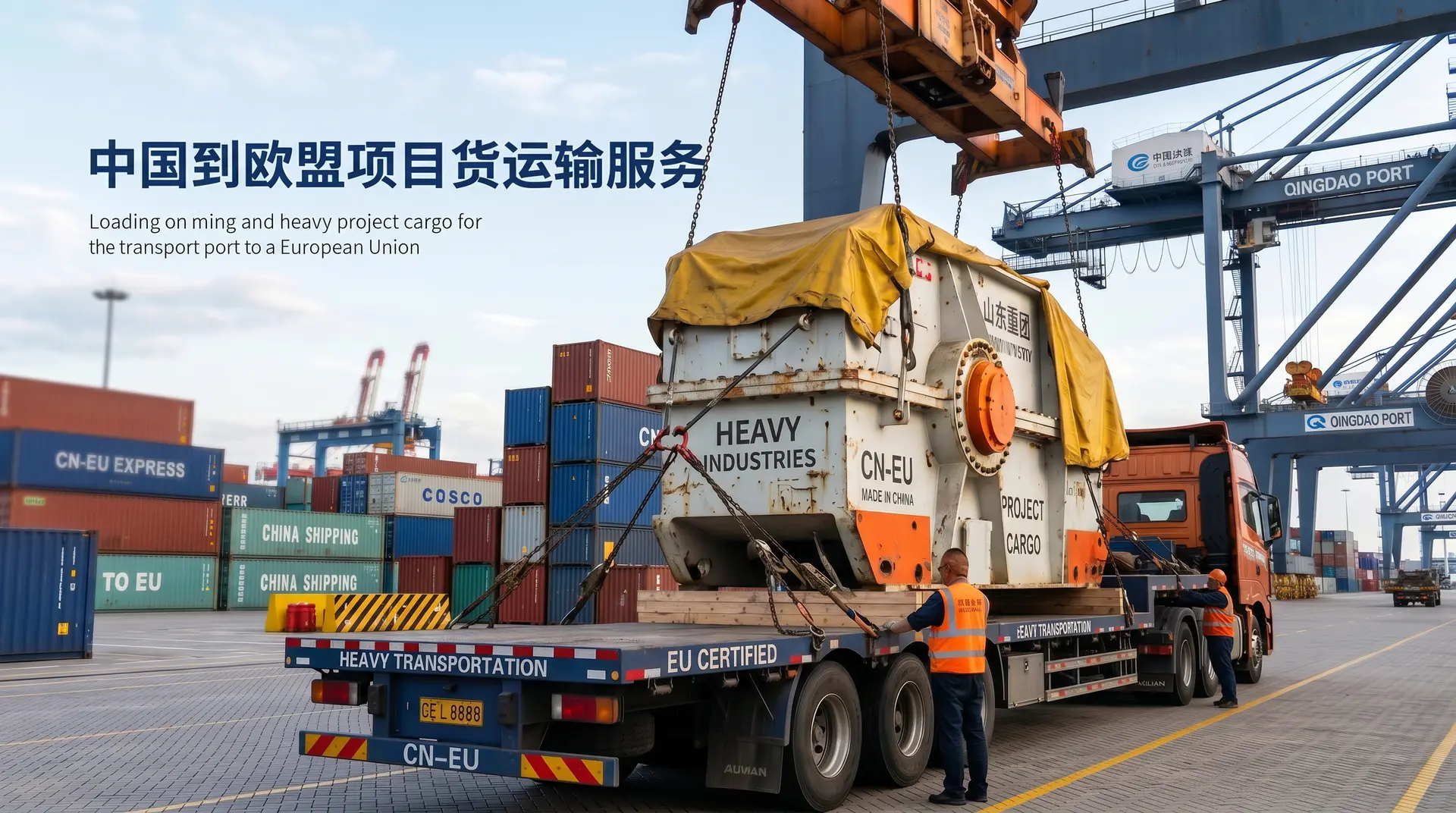
Start with the shipment’s current status
1. Cargo has not entered the port: the strongest candidate for rail evaluation
If the cargo is still at the factory, warehouse or consolidation point and has not entered the port, there is generally more flexibility to change mode. The latest expected ocean departure and arrival can be compared with available rail booking, consolidation, customs and departure arrangements.
The evaluation should include:
- inventory, stockout, production stoppage or contractual exposure created by an ocean delay;
- rail freight and origin- and destination-side collection and delivery costs;
- rail capacity, documentation cut-offs, border route and destination-terminal connections; and
- whether the cargo’s packaging, dimensions, weight and regulatory status are acceptable for rail.
If the delivery-time benefit outweighs the additional transport cost and operational complexity, all or part of the shipment may be suitable for conversion to rail.
2. Cargo is inside the port but not loaded: calculate the exit and conversion cost first
This cargo may still be converted to rail in some cases, but the process is more complex and costly than redirecting cargo that has not entered the port. The terminal and customs feasibility must first be confirmed, followed by a calculation of:
- the time, documents and charges required to withdraw or amend the customs declaration;
- container or cargo collection from the terminal, including any storage, detention or related charges;
- fees and liabilities arising from cancellation or amendment of the ocean booking;
- new rail booking, customs declaration and documentation requirements; and
- transfer costs and practical access from the port area to a rail terminal or consolidation facility.
If exiting the port takes almost as long as waiting for the revised ocean sailing—or if the additional charges are excessive—conversion may not provide a meaningful advantage. A decision should be made only after the vessel status, cargo release conditions and rail capacity have been confirmed.
3. Cargo is already on board: normally keep the ocean shipment in place
Once cargo has been loaded onto the vessel, changing the mode for the full shipment is generally impractical. A more workable response is to retain the ocean movement and identify the most urgent SKUs, components or safety stock for a supplementary shipment by rail or air.
This “ocean base shipment plus expedited critical cargo” approach avoids major changes to an operation already in progress while reducing the risk of a production stoppage, stockout or project delay.
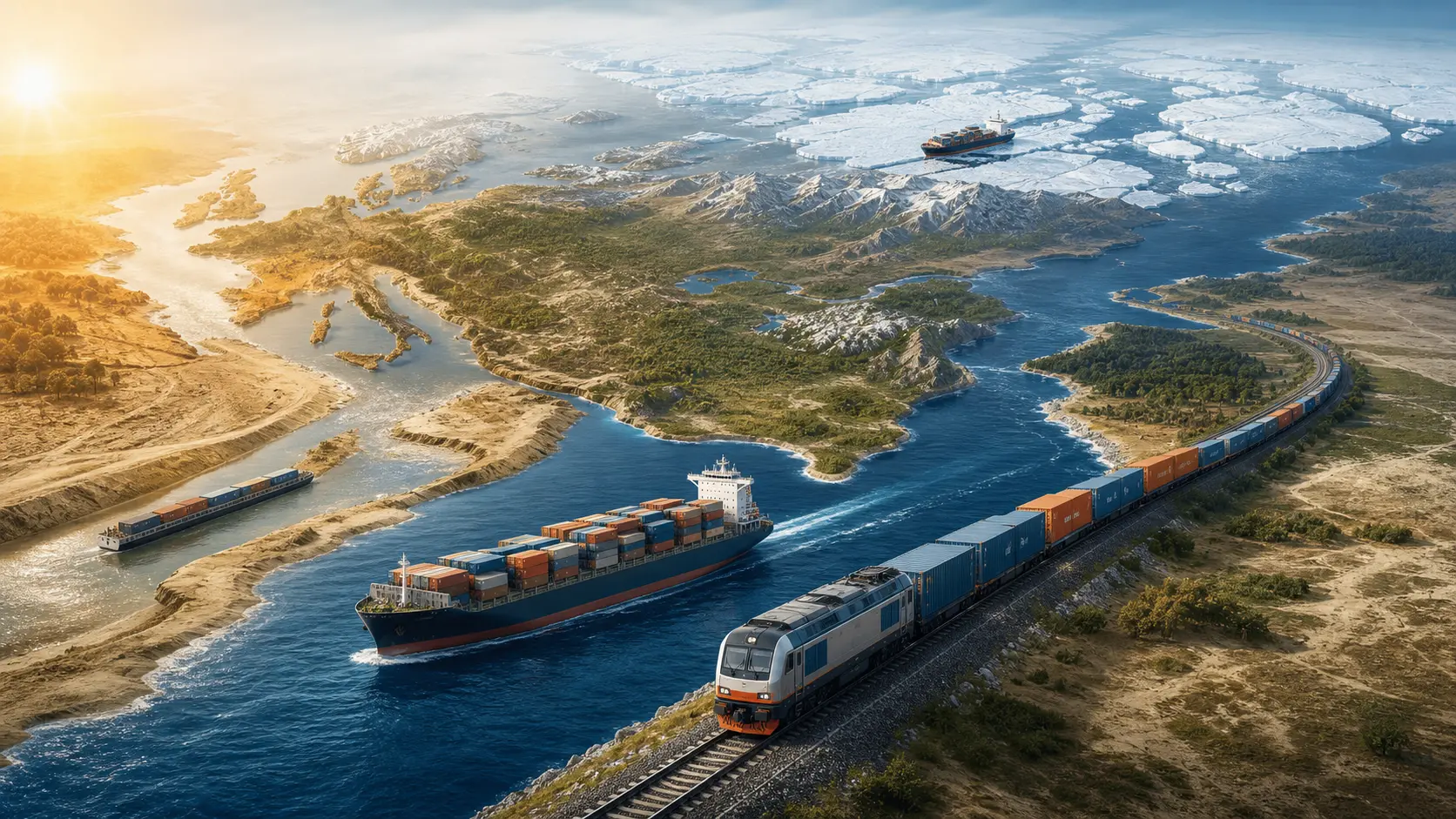
Which shipments are better suited to China-Europe rail?
Rail is most likely to be relevant when the cargo has one or more of the following characteristics:
- Relatively high cargo value: the goods can absorb a higher transport cost than ocean freight, while shorter time in transit may reduce working-capital exposure;
- Material inventory cost: late arrival could cause stockouts, production interruption, lost orders or substantial inventory and financing costs;
- Time-sensitive delivery: customer commitments, production plans, project milestones or seasonal sales windows cannot tolerate extended uncertainty;
- Unsuitable for full airfreight conversion: the volume is too large for economical airfreight, but the shipper still needs a faster and more controlled option than standard ocean freight; and
- A workable European rail connection: the destination terminal and final-mile trucking network can serve the consignee’s location.
Typical examples may include machinery and automotive parts, electronics, industrial equipment components, project materials, retail replenishment and selected higher-value consumer products. Suitability must still be confirmed against the individual cargo profile and route.
Dangerous goods and battery cargo require shipment-specific confirmation
Dangerous goods, lithium batteries and products containing batteries should not be assessed under general-cargo rules alone. Requirements may differ by train service, rail operator, transit country, border crossing and terminal, including rules relating to the commodity name, UN number, packaging, battery capacity, test reports and declaration documents.
Before changing mode, the shipper should provide a complete cargo file for shipment-specific review by the rail carrier and all relevant operating parties. Cargo should not be assumed to be rail-acceptable until written confirmation has been obtained.
A balanced strategy: ocean for base volume, rail for critical volume
While ports are operating but schedules remain subject to short-term variability, companies do not necessarily need to divert an entire shipment away from ocean freight. A more measured approach is to split cargo according to business priority:
- Keep base volume on ocean freight: control total logistics cost and retain confirmed bookings;
- Move critical volume by rail: protect shortage SKUs, urgent production parts, committed customer orders and safety stock; and
- Use airfreight for a very limited emergency quantity: reserve it for the highest-priority demand that cannot wait for rail and can justify the cost.
The objective is not simply to select the single “fastest” transport mode. It is to create a more controlled balance among cost, delivery time and supply continuity.
Information to prepare before requesting a diversion assessment
To compare ocean and rail options efficiently, shippers should prepare:
- the cargo’s precise location and status: not gated in, gated in but not loaded, or already on board;
- the original booking number, vessel and voyage, expected departure and latest carrier update;
- commodity name, HS code, package count, weight, volume, packaging and cargo value;
- details of any batteries, magnetic materials, chemicals or other restricted components;
- the final European destination, required delivery date and minimum priority quantity; and
- the available additional budget and whether split or partial shipments are permitted.
Need to assess an ocean-to-rail diversion?
Share the cargo location, commodity, weight and volume, current booking status and latest acceptable delivery date. We can help compare continued ocean freight, partial conversion to rail and emergency airfreight for critical items.
Request a transport option assessmentSources & editorial note
This article is compiled from public information and logistics-operational context. Legacy English articles do not yet store original source links as structured fields. Verify rates, transit times, customs rules and market figures against the latest carrier or official authority information.
Editorial review covers terminology, clarity and basic consistency. It is not legal, tax or customs advice and does not constitute a fixed quotation.